
The Best Transitional Coats for Fall 2026: The Five Architectural Pieces That Carry the Season

The best transitional coats for Fall 2026 are mid-weight (300 to 500 gsm), structured at the shoulder, cut to the knee or mid-calf, and made from natural-fiber blends that handle the September to November temperature swing in a single piece. The five coat archetypes that work are the trench, the longline tailored coat, the wool blend topcoat, the structured wrap coat, and the cape.
Shop the pieces in this story: Winter Coats. Complete size runs are listed first.

Fall is the most underestimated season for outerwear investment. The summer coat is a contradiction. The winter coat is too heavy until late November. The transitional coat is the piece that does the work between, and the woman who has the right one moves through September, October, and November without the daily morning question of what to wear over the outfit.
At Luna Fashion House, our outerwear is constructed in the same Pozarevac atelier where we make every other Luna piece, with 180 artisans, 98% of them women, applying hand finishing on each coat.
Below is the structural breakdown of what makes a transitional coat hold up for Fall 2026, and which Luna pieces are built for the season.
What makes a transitional coat work
A coat earns the transitional label by handling four different conditions in a single garment.
1. Mild September weather (60 to 75 degrees Fahrenheit). Worn open over a midi dress or blouse and trousers. The coat is the architectural finish, not the warmth source.
2. Cool October weather (50 to 65 degrees). Worn closed with a light layer underneath. The coat is now doing structural and thermal work simultaneously.
3. Light rain. Most transitional coats are not waterproof, but a tightly woven wool or cotton gabardine handles light precipitation without collapse.
4. Indoor air conditioning. A coat that does not feel oppressive in a 68 degree restaurant or office. This is the test most heavy coats fail.
If a coat does not handle all four, it is not a transitional coat. It is a winter coat marketed too early.
The five coat archetypes that work for Fall 2026
Archetype 1. The trench coat
The Burberry archetype, but in mid weight construction. The classic trench in cotton gabardine handles light rain, layers cleanly over midi dresses and trousers, and reads as composed in any urban setting. The trench is the most versatile transitional coat, and it earns its reputation for that reason. Fall 2026 trench colors that work: stone, ivory, deep camel, midnight green, and black.
Archetype 2. The longline tailored coat
A knee or mid calf length structured coat in wool blend, mid weight. Cut on a tailored line with defined shoulders. This is the architectural piece that frames any outfit underneath. See the Luna outerwear edit for the longline pieces.
Archetype 3. The wool blend topcoat
Slightly more substantial than the longline, the wool blend topcoat is the late October to mid November piece. 400 to 500 gsm, mid calf length, structured collar. Reads as serious without reading as winter coat. Often the wardrobe's most worn outerwear piece between October 15 and November 30.
Archetype 4. The structured wrap coat
A wrap closure rather than buttons, with a tied or belted waist. Creates a defined silhouette that is more flattering across body types than a straight button front coat. Works particularly well over midi dresses and slim wide leg trousers.
Archetype 5. The cape
An underused archetype that is having a quiet moment in 2026. The cape, in mid-weight wool, removes the sleeve calculation entirely and reads as deliberately considered. Best paired with a structured midi dress and slim heel boots. Works for outdoor evening events and creative professional environments.
The Fall 2026 fabric specifications
What to read on the label.
• Wool blend in 60% wool or higher is the gold standard for transitional coats. The wool gives structure and warmth. The blend gives drape and reduces weight.
• Cotton gabardine for trench coats is the classic specification. Tightly woven cotton handles light rain and holds press.
• Cashmere blends in small percentages (10% to 30%) add softness without compromising structure. 100% cashmere coats are luxurious but not transitional; they are too warm for September and not structured enough for November urban wear.
• Avoid pure synthetic shells for transitional coats. They do not breathe, and they read as casual.
How to layer the transitional coat across the season
September (60 to 75 degrees)
Worn open over a structured midi dress or wide leg trousers and a silk blouse. The coat is the frame. The outfit underneath does the work.
October (50 to 65 degrees)
Worn closed over a midi dress or layered over a knit piece from the Jody capsule. A scarf at the neck. The coat is now doing structural and thermal work.
Early November (45 to 55 degrees)
Worn closed with the addition of a structured cardigan or knit blazer underneath. Boots replace the heel sandal. The coat carries until the temperature drops below 40, at which point it transitions to the winter coat.
What to invest in versus what to skip
If you can only invest in one transitional coat for Fall 2026, the longline tailored coat in a refined neutral (camel, midnight green, black, or charcoal) is the highest leverage piece. It carries from September through mid December and pairs with every other piece in the wardrobe.
Skip the colorful statement coat. Skip the oversized wrap that reads casual. Skip the puffer jacket marketed as transitional, which is a winter coat trying to be lighter than it is. The investment is in the one piece that performs across three months.
How Luna outerwear compares
Most accessible luxury transitional coats in 2026 are produced through third party finishing houses. Luna's outerwear is finished in our own Pozarevac atelier, hand stitched at the lapel and the lining. The seams are reinforced rather than fused. The construction holds for ten or more seasons of regular wear. See the Luna outerwear collection and the Transitional Edit for the season's pieces.
Frequently asked questions
What is a transitional coat?
A transitional coat is mid weight outerwear (300 to 500 gsm) designed to handle the temperature range between summer and winter, typically 50 to 75 degrees Fahrenheit. The five archetypes that work are the trench, the longline tailored coat, the wool blend topcoat, the structured wrap coat, and the cape.
What is the best coat for Fall 2026?
The longline tailored coat in a refined neutral (camel, midnight green, black, or charcoal) is the highest leverage transitional piece. It carries from September through mid December and pairs with every other piece in the modern professional wardrobe. See the Luna outerwear edit for the structured options.
What weight should a transitional coat be?
300 to 500 gsm is the transitional range. Below 300 gsm, the coat is summer outerwear. Above 500 gsm, it is winter weight and will feel oppressive in mild fall weather and indoor air conditioning.
What is the best fabric for a fall coat?
Wool blend with 60% wool or higher is the gold standard for structure and drape. Cotton gabardine for trench coats. Cashmere blends in small percentages (10% to 30%) for softness. Avoid pure synthetic shells, which do not breathe.
How long should a transitional coat last?
A properly constructed transitional coat in wool blend or cotton gabardine, hand finished and lined, is built to wear ten or more seasons. The Luna outerwear pieces are made in our Pozarevac atelier with reinforced seams and hand stitched linings, designed for this longevity.
What color trench coat is most versatile?
Stone or deep camel are the most versatile trench colors. Both pair with the full Luna palette of ivory, noir, midnight green, and Bordeaux, and they photograph and wear well from September through November. Black trench coats read more formal. Bright colors lock the coat to fewer outfits.
Continue reading
• The Art of Winter Coats, Winter 2026 to 2027
• How to Build an Elegant Capsule Wardrobe
Continue exploring: browse the full coats edit.
Shop the edit
Handmade in Europe in limited runs. A few pieces from our collection that suit this look:
- Navy Wool Trench Coat, Clara — $910
- Black Wool Coat with Faux Fur Collar, Lucy — $910
- Red Wool Coat with Faux Fur Collar, Lucy — $910
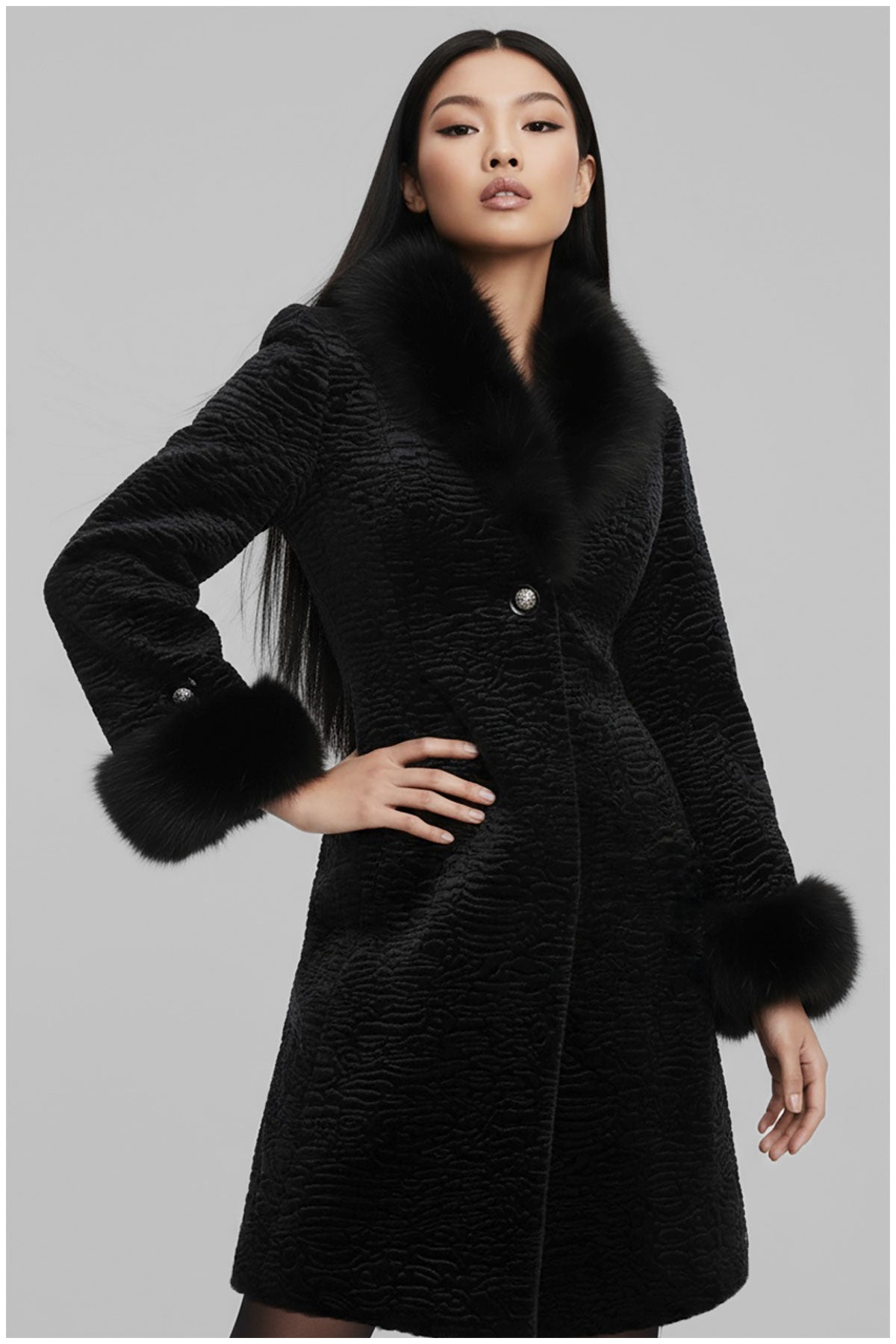
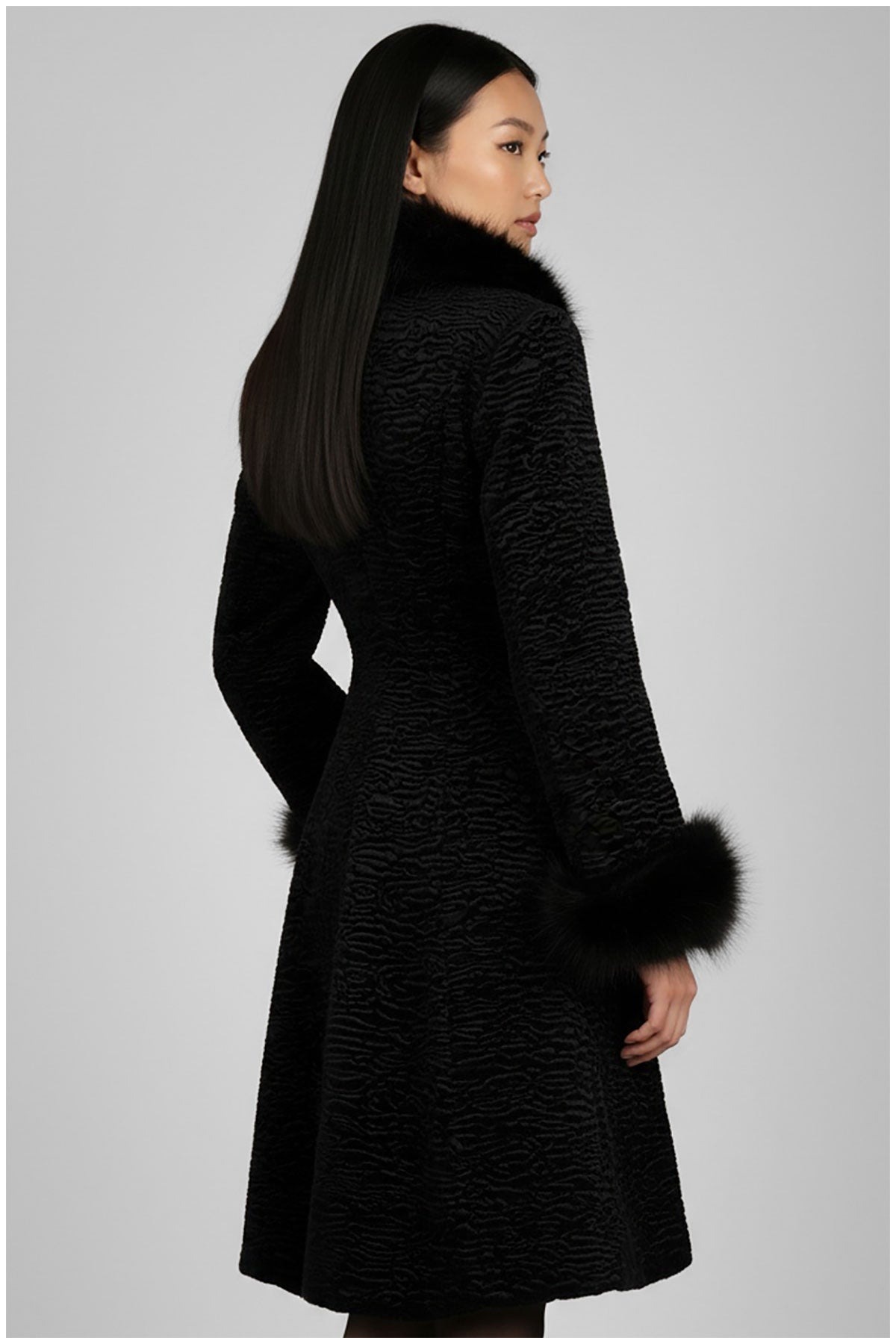
- Black Textured Coat with Faux Fur Collar and Cuffs, Paula — $770

Explore more
Continue with our Outerwear collection, or read How to Dress to Feel Elevated: The Four Mechanical Choices That Separate the Composed Woman from the Trying One, How to Build an Elegant Capsule Wardrobe for Modern Women: The 15 Piece System That Replaces 200 Pieces of Clothing and How to Build a Timeless Wardrobe: The Ten Cornerstone Pieces Every Modern Woman Eventually Owns.