
Pleated Skirts in Summer: Movement Without Effort

A pleated skirt is a good choice for summer, since the pleats let the fabric move and let air through while the skirt keeps a clean line. The Black Pleated Skirt, Lola at $325 is the do-everything solid, a knife-pleated skirt with a sheer edged hem that falls to the knee. The Navy Pleated Skirt, Lola at $325 has the same pleats in navy with a thin white stripe near the hem.
Both are made in our Pozarevac atelier, and US orders ship free in 2 to 5 days, and returns are accepted for 30 days with no questions asked. If you are buying a first pleated skirt, choose the black, and see the whole skirts collection when you want more shapes.
A pleated skirt moves easily in summer heat and still keeps its shape. The pleats let air in and sway as you walk, then fall back into a defined line. A midi that hits mid-calf is the most versatile length, and the Lola Pleated Skirt in Black adds an elastic waist for long, hot days.
Shop the pieces in this story: Skirts, Pants, and Bags. Complete size runs are listed first.
Why the pleated skirt earns its place
The appeal of the pleat is mechanical. The folds give the fabric somewhere to move, so the skirt sways and breathes with you rather than clinging or billowing, and they create vertical lines that lengthen the body and skim rather than hug. That combination — movement plus a flattering line plus airflow — is rare in a single summer piece. A pleated midi also has a quiet formality the heat does not usually allow: it looks composed at a lunch, a gallery, or a city evening, where shorts and loose dresses can read as too casual. It is, in short, the summer bottom that behaves like a dress while giving you the flexibility of a separate.
How to choose a pleated skirt
Three things decide a good pleated skirt. The first is length: a midi that hits mid-calf is the most versatile and the most flattering, long enough for elegance and short enough to walk and stay cool. The second is the waist — an elastic or comfortable waistband matters in summer heat, where a stiff band becomes tiring across a long day; the Lola Pleated Skirt in Black uses an elastic waist for exactly this reason. The third is fabric and pleat type: a fluid pleat that moves softly reads more summery than a sharp, fixed pleat, and a fabric that recovers keeps the line crisp through sitting and travel.

Solid versus pattern
A solid pleated skirt is the more flexible buy — it takes any top and reads as a near-neutral. A patterned or striped pleat is the more characterful one and can carry an outfit on its own. The Lola Pleated Skirt in Navy and White brings a nautical stripe that suits coastal and resort settings, while the Lola Pleated Skirt in Black is the do-everything solid that anchors a wardrobe. If you are buying one, choose the solid; if you are adding a second, the pattern earns its keep. Browse the full range in the Skirts collection.

How to wear it across summer
The pleated skirt's quiet superpower is that it reads new with every top. With a fine knit or a tucked blouse, it is a polished daytime look for a lunch or a gallery. With a simple tee and a flat sandal, it is easy weekend dressing that still has shape. With a satin blouse, a heel, and a light layer, it moves into evening. The vertical line of the pleats does the lengthening work, so you can keep the top simple and let the skirt carry the outfit. For more on building looks around one versatile piece, see our guide to the summer outfit formula.
The pleated skirt as a travel piece
For a European summer or any warm-weather trip, the pleated skirt is one of the highest-value things you can pack, because it multiplies your outfits without taking space. It reads differently with each top you bring, it moves well over the walking a trip demands, and a fluid pleat in a recovering fabric resists the suitcase creases that plague flat skirts. Paired with the dresses and the one light layer from our European summer guide, a single pleated skirt can quietly cover half a week of looks.
What to avoid
A few missteps undo the pleated skirt. Avoid a stiff, heavy pleat in summer — it traps heat and reads more autumnal than warm-weather. Avoid a length that hits at the widest part of the calf, which can shorten the line; mid-calf or just below is safer. Avoid pairing a busy patterned pleat with an equally busy top — let one of the two be quiet. And avoid a fabric that does not recover, because a creased pleat loses the crispness that makes the skirt work.
The summer bottom that behaves like a dress
A pleated skirt gives you movement, airflow, and a defined line in one piece, and it reads new with every top you own. Choose a mid-calf length, a comfortable waist, and a fluid recovering fabric; reach for the solid first and the pattern second; and let the pleats do the lengthening while you keep the rest simple. For warm weather, at home or abroad, it is one of the most useful and least effortful pieces a woman can own.
Choosing the pleat for your shape
Not all pleats flatter all figures the same way, and a small amount of attention here pays off. A finer, flatter pleat lies close to the body and reads sleek, suiting a frame that wants a clean line; a fuller, more voluminous pleat adds movement and can balance a narrower lower half or soften a fuller one with its vertical fall. The waist placement matters too: a skirt that sits at the natural waist lengthens the leg and defines the smallest part of the torso, while a dropped or low waist can shorten the line. The safest, most universally flattering combination is a mid-calf length with a natural-waist, fluid pleat — long enough to elongate, defined enough to shape, and easy enough to wear all day.
Fabric weight is the other variable. A lighter, drapier pleat moves beautifully and reads summery, while a stiffer pleat holds a more architectural shape but traps heat and feels heavier on the body. For warm weather, lean to the lighter, more fluid version every time; save the crisp, structured pleat for cooler seasons where its weight is an asset rather than a burden.
Where the pleated skirt shines
The pleated skirt covers an unusually wide range of summer occasions for a single piece. It is polished enough for a city lunch, a gallery, or an outdoor event where a dress feels like too much and shorts like too little. It works for travel, where its mixability and crease-resistance earn their keep. It suits a relaxed weekend with a simple tee, and it rises to an evening with a satin blouse and a heel. Few summer pieces stretch across daytime errands, smart lunches, travel, and dinner without complaint, which is precisely why it deserves a permanent place in a warm-weather wardrobe rather than a seasonal cameo.
Three outfits built around a pleated skirt
The fastest way to see the pleated skirt's range is to build a few looks. For a polished daytime look, pair a solid pleated midi with a tucked silk or fine-knit top, a flat or low sandal, and minimal jewelry — right for a lunch, a gallery, or a smart errand. For easy weekends, the same skirt with a simple tee, flat sandals, and a tote reads relaxed but still shaped, far more put-together than shorts for the same effort. For evening, add a satin or off-shoulder top, a low heel, the light layer, and a considered earring, and the skirt that walked the city by day carries dinner by night. In all three, the pleats do the lengthening, so the top stays simple and the outfit reads intentional without effort. One skirt, three registers, a whole summer of wear.
A patterned or striped pleat works the same way with one adjustment: let the skirt be the focal point and keep the top quiet and solid, so the look reads considered rather than busy. The nautical stripe especially suits coastal and resort settings, where it feels right at home.
Caring for pleats
Pleats keep their crispness with a little care. Hang a pleated skirt by the waistband rather than folding it flat, which can soften the folds over time, and for travel, roll it loosely or fold it along the existing pleat lines to preserve them. Steam rather than press to refresh the pleats, following the care label, since high heat can flatten or damage certain pleated fabrics. A fluid pleat in a recovering fabric will shake out most travel creases on its own if hung overnight, which is part of why it makes such a good packing piece. Treated gently, a good pleated skirt holds its movement and line across many summers.
The pleated skirt beyond summer
Though this guide focuses on summer, a good pleated skirt is genuinely a three-season piece, which strengthens the case for owning one. In cooler weather it works with a fine knit, opaque tights, boots, and a coat, the pleats adding movement to an autumn or winter outfit just as they do to a summer one. In transitional seasons it pairs with a light layer and a closed shoe. This versatility is part of why the pleated skirt is such a sound buy: it is not a seasonal novelty but a wardrobe staple that simply changes its companions as the weather turns. Bought in a versatile solid and a fabric that suits more than one season, it earns its place on the rail year-round rather than for a few warm months.
Pairing pleats with the right shoe
The shoe finishes a pleated-skirt outfit and sets its register. A flat sandal or a clean leather flat keeps a midi pleat easy and daytime; a low block heel lifts the same skirt toward evening while staying walkable; a pointed flat or a kitten heel sharpens it for a polished lunch. The rule is to keep the shoe in proportion to the skirt's movement — a fluid, voluminous pleat balances a sleeker shoe, while a finer pleat can carry a little more shoe. Avoid a heavy or chunky shoe that fights the skirt's lightness in summer. Matched well, the shoe is what tips a pleated skirt from day to evening without changing anything else.
Frequently asked questions
Are pleated skirts good for summer?
Yes. The pleats allow airflow and movement while holding a defined line, so the skirt stays cool and looks intentional in the heat.
What length pleated skirt is most flattering?
A mid-calf midi is the most versatile and elongating, long enough for elegance and short enough to walk and stay cool.
How do you style a pleated skirt?
With a tucked blouse or fine knit for day, a tee and flat for weekends, or a satin blouse, heel, and light layer for evening; the pleats lengthen the line, so keep the top simple.
Are pleated skirts good for travel?
Very. A pleated skirt reads new with every top, multiplying outfits without taking suitcase space, and a fluid recovering pleat resists creasing.
Should I buy a solid or patterned pleated skirt first?
The solid, for maximum versatility; add a patterned or striped pleat as a second, more characterful piece.
Shop the edit
Handmade in Europe in limited runs. A few pieces from our collection that suit this look:
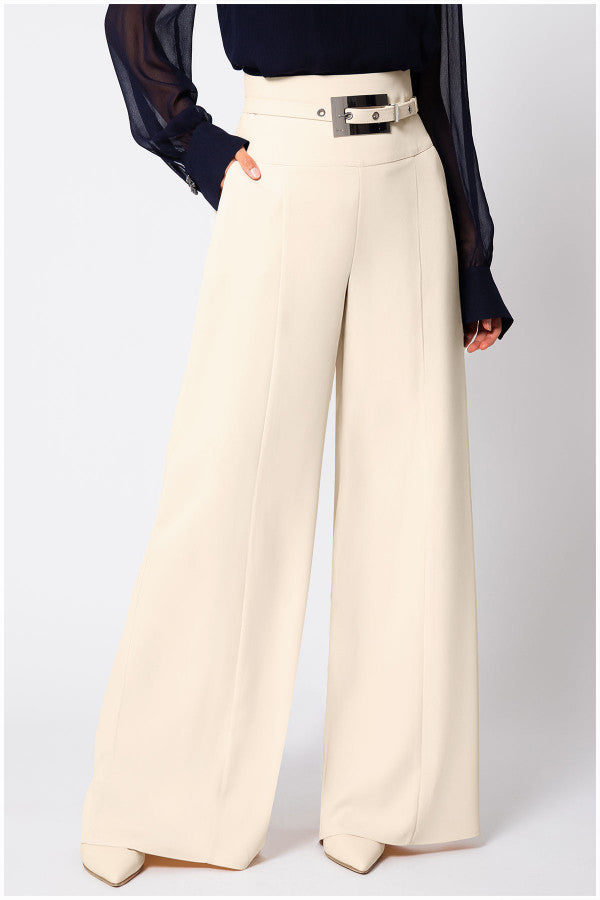
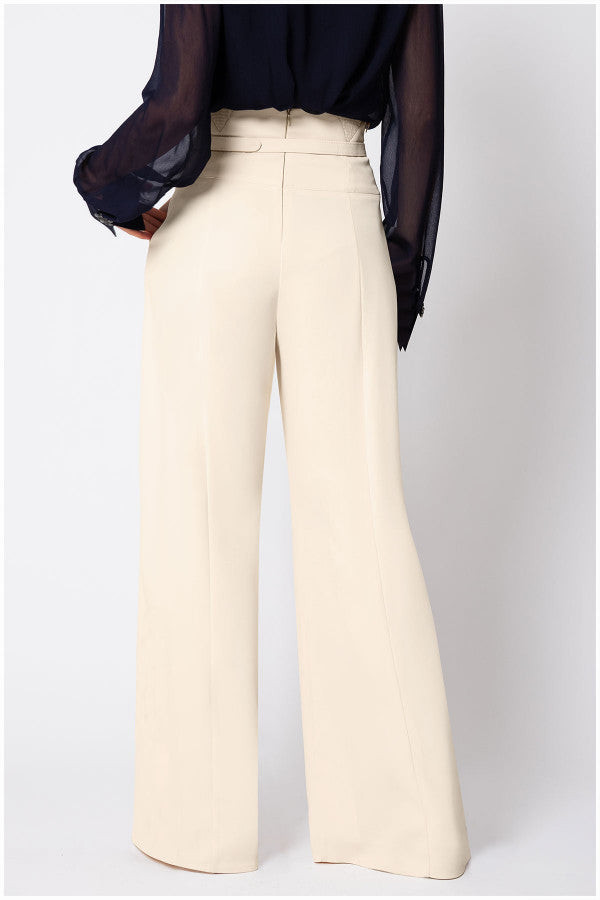
- Ivory High Waisted Wide Leg Pants, Agatha — $595
- Silver Floral Jacquard Light Coat, Emma — $880
- Teal Floral Jacquard Light Coat, Emma — $880

Explore more
Continue with our Skirts collection, or read Summer Dressing That Feels Light and Still Looks Intentional, Dressing for a European Summer: A Field Guide to Light, Defined, Movement-Ready Style and Light Summer Dresses That Hold Their Shape.

More questions about the Lola pleated skirts
Can I wear a Lola pleated skirt to the office or to a daytime wedding?
Yes to both. The Black Pleated Skirt, Lola reads as a quiet neutral at the office with a tucked blouse, and with a satin top and a light heel it suits a daytime wedding. Browse more options in the wedding guest dresses and jumpsuits collection.
What sizes do the Lola pleated skirts come in?
Both Lola pleated skirts are made in sizes 0 through 16. The model in our photos wears a size 2, so you can use her as a reference for how the knee length falls.