
Choosing a Mother of the Bride Dress When You Are the Mother of the Bride

Choose the mother of the bride dress in this order: settle the formality and setting of the wedding, clear your colour with the bride, then pick a length you can stand in for 10 hours. For a formal evening wedding, the Bruna Long Lace Gown in Beige is $595 and is a floor length gown in soft beige floral lace with cap sleeves. For a daytime wedding, the Jody Lace Cocktail Dress in Ivory is $550 and is a knee length fitted dress in ivory with short lace sleeves.
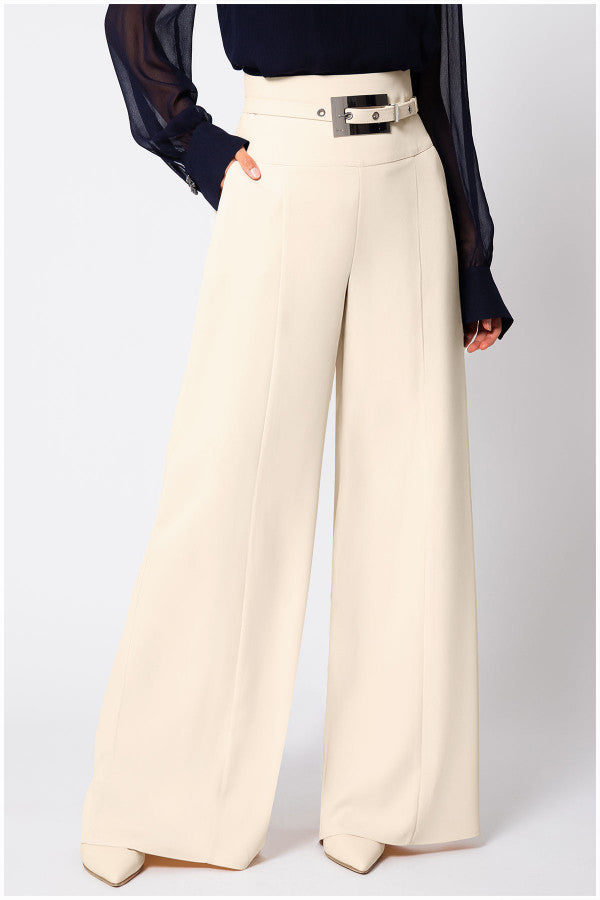
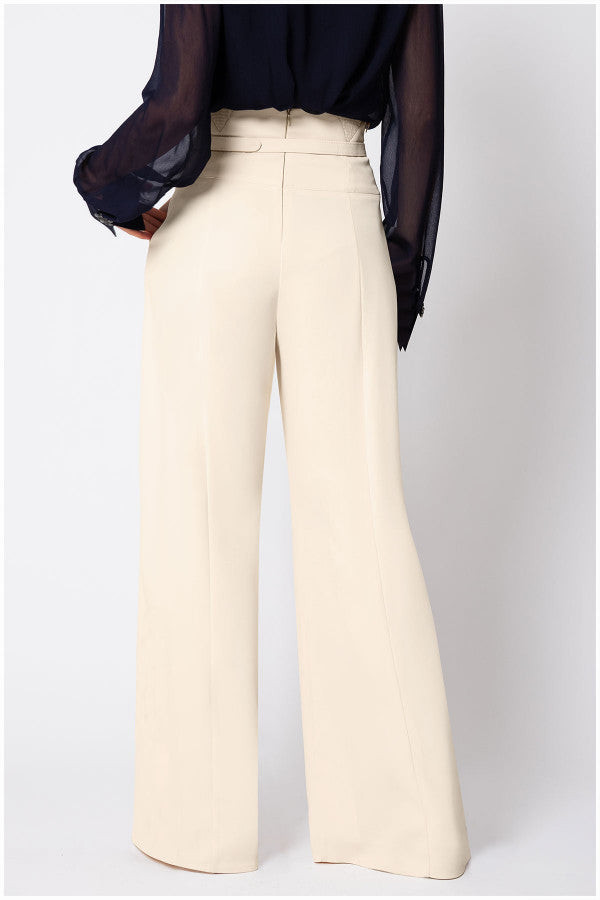
If you would rather not wear a dress, the Agatha Pearl Detail Blazer in Ivory at $680 with the Agatha High Waisted Wide Leg Pants in Ivory at $595 makes a cream pantsuit. Ivory and beige tones belong near the bride, so show the colour to her before you order. Everything ships free in the US in 2 to 5 days, and returns are 30 days with no questions asked, which leaves time for fittings. See the full range in mother of the bride outfits.

To choose a mother of the bride dress, settle the wedding’s formality and setting first, then clear your color with the bride and avoid white, ivory, and pale champagne unless the couple invites it. Choose from floor length gowns, cocktail length dresses, lace separates, and tailored sets in a silhouette you can wear for 10 hours.
Shop the pieces in this story: Dresses, Blazers, and Skirts. Complete size runs are listed first.
What the category is, and how it changed
For two generations, the mother of the bride dress meant a matched skirt-and-jacket set in a dusty pastel, often with a fascinator and matching shoes. That formula existed for a reason — it signaled the role clearly and photographed predictably — but it also dated quickly, and it rarely felt like the woman wearing it. The contemporary version has loosened. Today the category spans floor-length gowns, refined cocktail-length dresses, lace separates, and tailored sets, in a palette that has moved from pastel toward jewel tones, ivory-adjacent neutrals, and deep saturated colors. The role is the same; the rules around it have relaxed. The Luna Mother of the Bride Outfits collection is built around this modern reading of the category, within the wider Wedding Edit.
Step 1: Start with the wedding's formality and setting
Every other decision flows from two facts: how formal the wedding is, and where it takes place. A black-tie evening reception in a ballroom calls for floor length and evening fabrics. An afternoon garden ceremony allows cocktail length and lighter cloth. A destination wedding by the water rewards fabrics that travel and breathe. Establish formality and setting before you fall in love with any single dress, because the most beautiful piece in the wrong register will read as a misjudgment in the photographs. When in doubt, ask the couple directly — it is a normal and welcome question.
Step 2: Coordinate with the bride, not the bridesmaids
The one piece of etiquette that still holds: clear your color and general direction with your daughter before you buy. The goal is to complement the wedding palette without matching the bridesmaids or competing with the bride. Avoid white, ivory, and very pale champagne unless the couple has specifically invited it — those colors belong to the bride. Beyond that, you have wide latitude. A brief conversation now prevents the one outcome no one wants: discovering a clash on the morning of.
Step 3: Choose a silhouette you can wear for ten hours
A wedding day is long. You will stand for a receiving line, sit through a meal, move through a reception, and very possibly dance. Choose a silhouette that holds its line through all of it. A fitted style should skim rather than cling; a released waist or an A-line is more forgiving across a seated dinner. If you prefer your arms covered, build that in from the start with sleeves or a lace overlay rather than relying on a wrap you will spend the night adjusting. The Bruna Long Lace Gown in Beige, with its cap sleeves and floral lace, is a good example of a gown designed to be worn for a full day rather than admired for an hour.

Step 4: Get the color right for the season and the light
Color is half the work. For an evening or cold-season wedding, deep saturated tones — bordeaux, midnight green, navy, charcoal — photograph richly and feel appropriate to the formality. For a spring or summer ceremony, softer but still defined colors carry the lighter light without washing out. Consider how the color reads in the photographs, not just in the fitting room, and remember that very pale neutrals are the bride's territory. The lace separates in the Jody family come in exactly this range of wedding-appropriate jewel tones and ivories.
Step 5: Decide dress, gown, or set
The final fork is format. A cocktail-length dress suits a less formal or daytime wedding and is the easiest to wear again — the Jody Lace Cocktail Dress in Ivory is a refined option where the couple has welcomed ivory tones. A floor-length gown is the right register for a formal evening reception. A tailored set or pantsuit is the modern choice for the woman who would rather not wear a dress at all: the Jody Tailored Lace Blazer in Ivory over the matching Jody Pencil Skirt in Ivory reads as a coordinated lace look, while the Agatha Pearl Detail Blazer in Ivory with Agatha High Waisted Wide Leg Pants in Ivory gives a pantsuit answer. For pearl-trimmed tailoring, the Rhea Jacquard Blazer with Pearl Details in Ivory was cut with this role in mind.

A short edit to choose from
If you want a starting shortlist rather than a full collection to browse, these five cover the main routes: the Bruna Long Lace Gown for a formal evening; the Jody Lace Cocktail Dress for a daytime or relaxed wedding; the Jody lace blazer and skirt as a coordinated set; the Agatha pantsuit for the no-dress answer; and the Rhea jacquard blazer for pearl-trimmed tailoring. Each can be dressed up or down with the color of your blouse and the weight of your accessories.

The dress that does the job and still feels like you
The mother of the bride dress works when it serves the day and the woman at the same time. Settle the formality and setting first, clear your direction with your daughter, choose a silhouette built for a long day, get the color right for the season and the light, and pick the format — dress, gown, or set — that lets you feel most like yourself. Do that and the photographs will show a woman who looked entirely at home in her role. For more on the modern version of this role, see our guides to the modern mother of the bride and the mother of the bride pantsuit.

Accessories and the finishing touches
The role rewards finishing that reads as considered rather than costume. A single focal accessory — refined drop earrings, or one statement necklace, not both — keeps the look modern. A structured clutch and a comfortable heel you can stand in for hours matter more than a matching set; the day is long, and shoes you cannot walk in undo an otherwise perfect outfit. If the ceremony is cold or formal, plan the cover-up as part of the outfit rather than an afterthought: a tailored coat or a lace topper that belongs to the look, not a wrap you will spend the reception adjusting. The fascinator is now optional in most settings and should follow the couple's formality rather than old convention.

What to avoid as the mother of the bride
A few choices reliably miss. Avoid white, ivory, and very pale champagne unless the couple invites them — this is the one firm rule. Avoid matching the bridesmaids' color, which can make you read as part of the wedding party rather than the mother of the bride. Avoid buying for the dress you wish fit rather than the body you have on the day; order in time for alterations and fit to your real measurements. And avoid anything that needs constant management — a strapless bodice you keep adjusting, a hem you keep smoothing — because a wedding day gives you no time to fuss. The outfit should let you be present for your daughter, not preoccupied with yourself.

Budget, timeline, and alterations
The practical timeline matters as much as the dress. Begin looking three to four months before the wedding, which leaves room for two rounds of alterations and avoids the panic-buying that produces a compromise. Build a small budget for tailoring into the cost from the start — even an excellent dress rarely fits perfectly off the rack, and the difference between a good outfit and a flawless one is almost always the alteration. Order early enough that a made-to-order or pre-order piece can arrive with time to spare; the Pre Order Exclusives often include exactly the formal pieces the role calls for. If you are traveling to the wedding, plan the final fitting before you pack, not after you arrive.

Choosing something you will wear again
The mother of the bride dress need not be worn only once. A separates approach is the most reusable: a lace blazer and skirt split into pieces that return to your wardrobe for other formal occasions, and a tailored ivory pantsuit becomes a gala or milestone-event outfit long after the wedding. Even a gown earns its place again at black-tie events if the color is one you reach for. If reuse matters to you, lean toward separates or a color you genuinely love rather than a single-occasion pastel, and you will find the piece gives you far more than its one day. This is also the quiet argument for buying quality once rather than buying for the occasion alone.
A final word on feeling like yourself
The best mother of the bride outfits share one quality that no checklist captures: the woman in them looks like herself on a good day, not like a costume of the role. If you have never worn pastel and never felt right in it, do not start now because convention suggests it; a deep jewel tone or a sharp ivory set will serve you better because you will carry it with ease. If you live in trousers, a dress you tolerate for one day will read as tolerated. Choose within the practical guardrails above, but inside them, choose the version of formal that is recognizably you. Your daughter wants a photograph of her mother, comfortable and present, not a stranger in the right color.
Frequently asked questions
What color should the mother of the bride avoid?
White, ivory, and very pale champagne, which belong to the bride unless the couple specifically invites them. Otherwise you have wide latitude; clear color and direction with your daughter first.
Can the mother of the bride wear a pantsuit instead of a dress?
Yes. A tailored set or pantsuit is a fully modern choice for the role; a coordinated lace blazer and skirt or an ivory pantsuit both read as appropriately formal.
How formal should a mother of the bride dress be?
Match the wedding. Floor length for a formal evening reception, cocktail length for daytime or relaxed ceremonies, and travel-friendly fabrics for destination weddings.
Should the mother of the bride and mother of the groom coordinate?
Traditionally they align on formality and avoid clashing colors, but they need not match. A brief conversation between them, guided by the couple, prevents surprises.
When should I buy my mother of the bride outfit?
Early enough to allow for alterations, generally a few months before the wedding, and after you have confirmed the formality, setting, and color direction with the couple.
What silhouette is most comfortable for a full wedding day?
One that skims rather than clings, with a released waist or A-line for seated comfort, and built-in sleeves or a lace overlay if you prefer your arms covered.
A thoughtful gift: shopping for her? a Luna gift card lets her choose the piece that fits perfectly.
Shop the edit
Handmade in Europe in limited runs. A few pieces from our collection that suit this look:
- Black Feather Trim Dress, Dora — $550
- Black High Low Evening Dress, Eli — $670
- Beige Maxi Lace Gown, Bruna — $595
- Bronze Short Metallic Dress, Laura — $595

Explore more
Continue with our Mother of the bride outfits collection, or read Mother of the Bride Pantsuit: Modern, Not Matronly — The 2026 Guide for Women Who Refuse the Old Look, What Colour Should the Mother of the Bride Wear? and Mother of the Bride Dresses with Sleeves.
Questions women ask before they choose
What colour should the mother of the bride avoid?
Avoid white, ivory and very pale champagne unless the couple has invited it. Beyond that you have wide latitude, and our guide to what colour the mother of the bride should wear lists the jewel tones that photograph well. When you are drawn to an ivory piece, ask the bride first.
How far ahead should I buy a mother of the bride dress?
Begin looking 3 to 4 months before the wedding. That leaves room for 2 rounds of alterations, and the 30-day return window on a Luna order lets you try the piece at home before you commit.
Can the mother of the bride wear pants?
Yes. A tailored pantsuit is a modern and accepted choice, and the Agatha blazer with the Agatha wide leg pants gives you a matching pair in cream. Ask the couple about formality, since a black tie evening may call for a gown instead.
What if I want my arms covered?
Choose sleeves or a lace overlay from the start so that you are not adjusting a wrap all evening. The Bruna gown has cap sleeves, and our guide to mother of the bride dresses with sleeves shows more options.
What dress should the mother of the bride wear to an evening wedding?
For an evening wedding, the mother of the bride looks right in a floor length gown in a deep color that the bride has already seen. The Iris off shoulder maxi gown in navy, $770 is a fluid navy fabric with a low metallic sheen that shifts under candlelight and chandeliers without ever reading as bright.
- The Iris maxi gown in navy, $770 has a pleated neckline with a soft sweetheart center and short cap sleeves.
- The Iris maxi gown in anthracite, $770 is 97% polyester and 3% elastane with a polyester and elastane lining, in a metallic shade that reads near black.
- The Alis off shoulder metallic gown in bordeaux, $770 is worked in fine vertical pleats that catch the light along the whole length of the gown.
- The Rebeka long dress in plum, $670 is a full length gown in deep plum with a V neckline and a gathered empire bodice.
- The Greta long dress in turquoise and black, $670 has a teal sequined bodice traced with black floral appliqué and crystal accents set by hand.
- If you would rather wear trousers, the Jody lace jumpsuit in midnight green, $550 has a European lace bodice over a fitted underlining with gentle stretch, above floor length wide legs.
Our model is 5 foot 9 and wears a size 2, so judge each hem against your own height, check our sizing guide and try the gown on with the exact shoes you will wear. Pick shoes you can dance in. US orders ship free in 2 to 5 days, and you have 30 days to return a piece with no questions asked.
Keep reading with what color the mother of the bride should wear, mother of the bride dresses with sleeves and fall mother of the bride dresses. The full range is in Mother of the Bride Outfits and Evening Dresses.